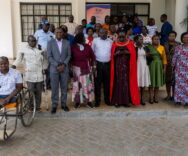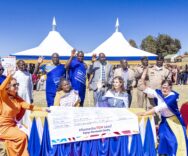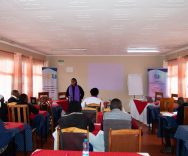

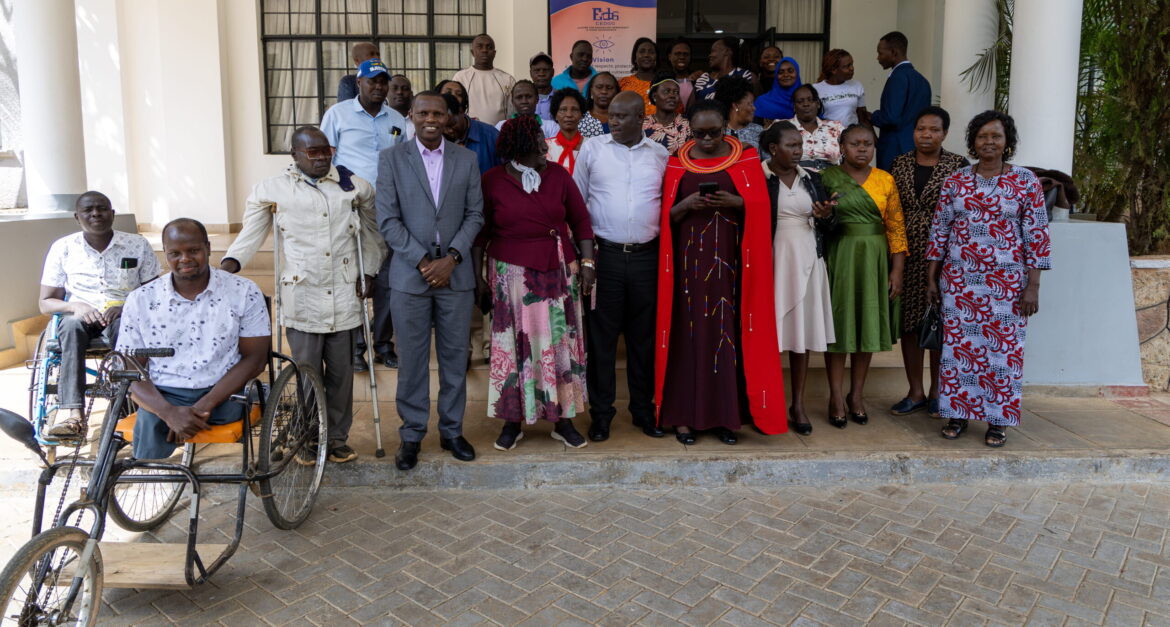
Kabarnet, Baringo 12th June 2026. Centre for Enhancing Democracy and Good Governance., convened a high-level dialogue bringing together women and persons with disabilities (PWDs) aspiring for elective leadership positions, political party representatives, the Office of the Registrar of Political Parties (ORPP), the Independent Electoral and Boundaries Commission (IEBC), members of the Baringo Civil Society Organizations Forum (BACSOF), media representatives, and other key electoral stakeholders.
The engagement sought to strengthen inclusion and political participation among marginalized groups by creating a platform for direct engagement with institutions responsible for electoral governance and political party regulation.
The dialogue was anchored on Article 38 of the Constitution of Kenya, which guarantees every citizen the political rights to make political choices, participate in political activities, campaign for a political cause, and seek elective public office. While these rights are firmly protected under the Constitution, participants noted that significant barriers continue to limit the ability of women, youth, and persons with disabilities to fully exercise these rights and compete effectively for leadership positions.
Speaking during the dialogue, participants emphasized that democracy can only thrive when all citizens have an equal opportunity not only to vote but also to seek leadership and influence decision-making processes. The meeting therefore focused on identifying the structural, social, economic, and institutional barriers that continue to hinder meaningful participation of marginalized groups in electoral politics.
The discussions provided a candid platform for women and PWD aspirants to share their lived experiences and challenges while navigating political processes. Among the key concerns raised were high nomination and campaign costs, limited access to political financing, political intimidation and violence, gender stereotypes and harmful cultural norms, inaccessible political party structures and communication channels, lack of transparency in party nomination processes, and inadequate representation of women and persons with disabilities in party leadership positions.

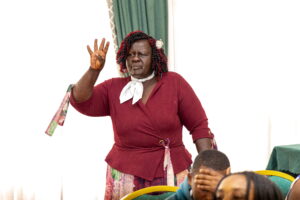

Participants also highlighted emerging challenges including technology-facilitated harassment, misinformation, and online abuse, particularly targeting women seeking elective office. These concerns, they noted, continue to discourage many capable leaders from actively participating in politics.
The Office of the Registrar of Political Parties (ORPP) made key submissions on the constitutional foundations of political parties, the role of political parties in advancing democratic governance, and the mandate of ORPP in promoting compliance with political party laws and strengthening internal party democracy. The office further outlined available support mechanisms and opportunities that women and PWD aspirants can leverage within political party structures as they prepare to seek elective positions.
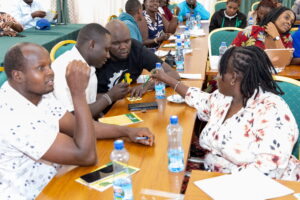

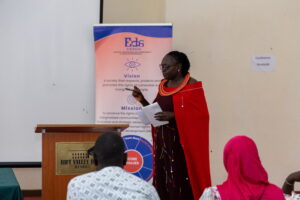
Participants welcomed the engagement with ORPP, noting that increased awareness of political party processes and available support systems would help aspiring leaders navigate nomination processes more effectively and advocate for greater inclusion within party structures.
Following extensive deliberations, participants identified several priority areas requiring action by political parties, electoral institutions, government agencies, and other stakeholders. These include reviewing nomination fees for women, youth, and persons with disabilities, strengthening transparency and accountability in party nominations, improving accessibility of political party activities and communication materials, enhancing protection against political violence and discrimination, and increasing representation of marginalized groups in party leadership and decision-making structures.
The meeting concluded with a joint press statement by women and PWD aspirants, political parties, ORPP, IEBC, civil society organizations, and other stakeholders, affirming their collective commitment to advancing inclusion, promoting equal opportunities, and addressing barriers that continue to exclude marginalized groups from political leadership.
Stakeholders called upon political parties to demonstrate their commitment to inclusion through concrete reforms and deliberate actions that expand opportunities for women, youth, and persons with disabilities to participate meaningfully in leadership and governance. They further urged all electoral stakeholders to work collaboratively towards creating an electoral environment that is inclusive, accessible, transparent, and free from violence, discrimination, and exclusion.
As Kenya continues its democratic journey towards the 2027 General Election, participants reaffirmed that the full realization of Article 38 can only be achieved when every citizen, regardless of gender, age, or disability status, has a fair opportunity to participate, compete and lead.
𝐍𝐨𝐭𝐡𝐢𝐧𝐠 𝐀𝐛𝐨𝐮𝐭 𝐔𝐬 𝐖𝐢𝐭𝐡𝐨𝐮𝐭 𝐔𝐬.